

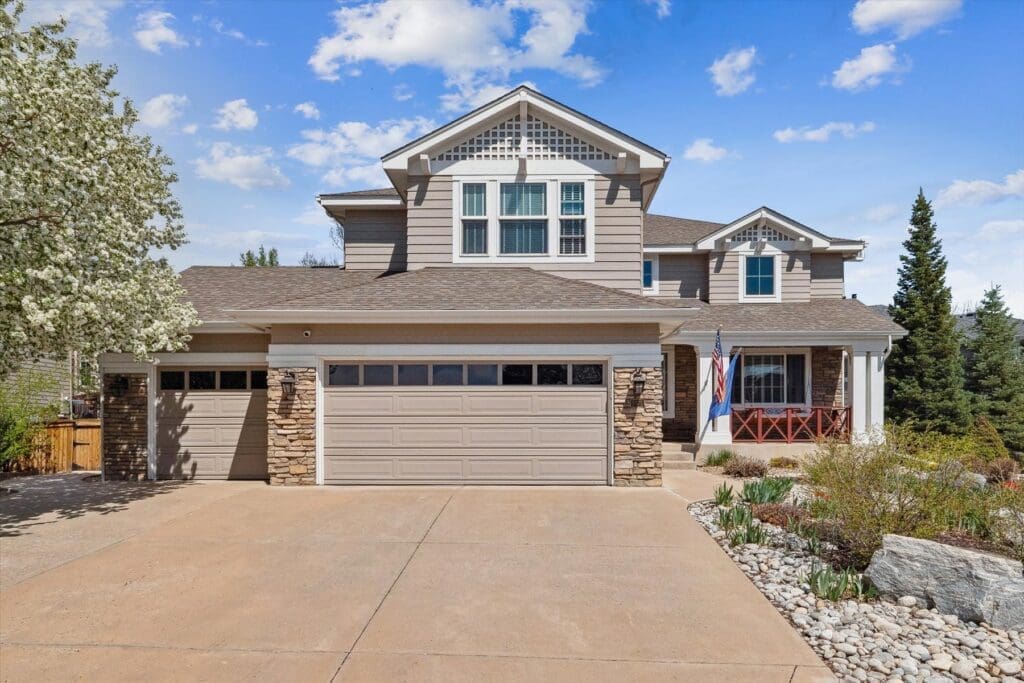
If you’ve been keeping an eye on the real estate market, you may have seen some headlines recently, including one from Realtor.com listing Denver as one of the top cities for price declines. While it’s easy to get caught up in the news, it’s important to remember that real estate markets aren’t uniform across entire cities. What’s happening in one city doesn’t always reflect what’s going on in another. This is especially true for the suburbs around Denver. We’re all clear would be unwise to lump Thornton in with Littleton or Castlerock in with Lakewood.
Why It’s Neighborhood-Dependent
Price fluctuations aren’t a one-size-fits-all trend. If you’re in a neighborhood like Columbine Knolls or Ken Caryl, the local market dynamics might be vastly different from a community just a few miles away, like Highlands Ranch. To get a clearer picture of what’s really happening, it’s crucial to look at the absorption rate. This measure tells you how long it would take for the available inventory in a given area to sell based on current demand.
To assess absorption rates effectively, we need to take a two-pronged approach:
- Hyper-Local Data: This is where we drill down into specific neighborhoods or even a half-mile radius around a property. How many homes are going under contract? Are homes in this area selling quickly or sitting longer than usual?
- Broader Market Data: We also need to look at the larger picture. How is the broader market performing, especially for your neighborhood price range? This helps avoid falling into the trap of confirmation bias—where we only focus on the data that fits our existing beliefs. By understanding both local and regional trends, we can get a more accurate read on whether we’re in a buyer’s market, seller’s market, or somewhere in between.
Absorption Rates: More Than Just a Number
The absorption rate, in real estate, measures how quickly properties are selling in a specific area. It’s calculated by dividing the number of homes sold in a given time period by the total number of homes available for sale in that same period. This result, often expressed as a percentage or the number of months it would take to sell all available properties, indicates the market’s demand and supply balance. Absorption rates give us valuable insight, but they’re only part of the picture. It’s equally important to look at the “coming soon,” “just listed,” “under contract,” and “sold” listings. These numbers can tell you a lot about what’s happening in the market and whether we’re seeing price adjustments, or if sellers are pulling their homes from the market altogether.
We even consider homes that get withdrawn or expire to gain insight into how the market it doing. Understanding these listings can be key to spotting trends early and helping you make better decisions when buying or selling a home.
Why You Need a Local Expert
Working with a knowledgeable agent who understands how to read and interpret both hyper-local data and broader market trends is critical, especially in a shifting market. I can guide my clients with actionable insights, helping them make informed decisions that align with their goals.
If you’re looking to buy or sell, let’s talk about what’s happening right now in your area. We will take a look at how homes are moving in your neighborhood and how that compares to the market at large. Reach out to me to get a detailed, no-pressure market analysis tailored to your needs.