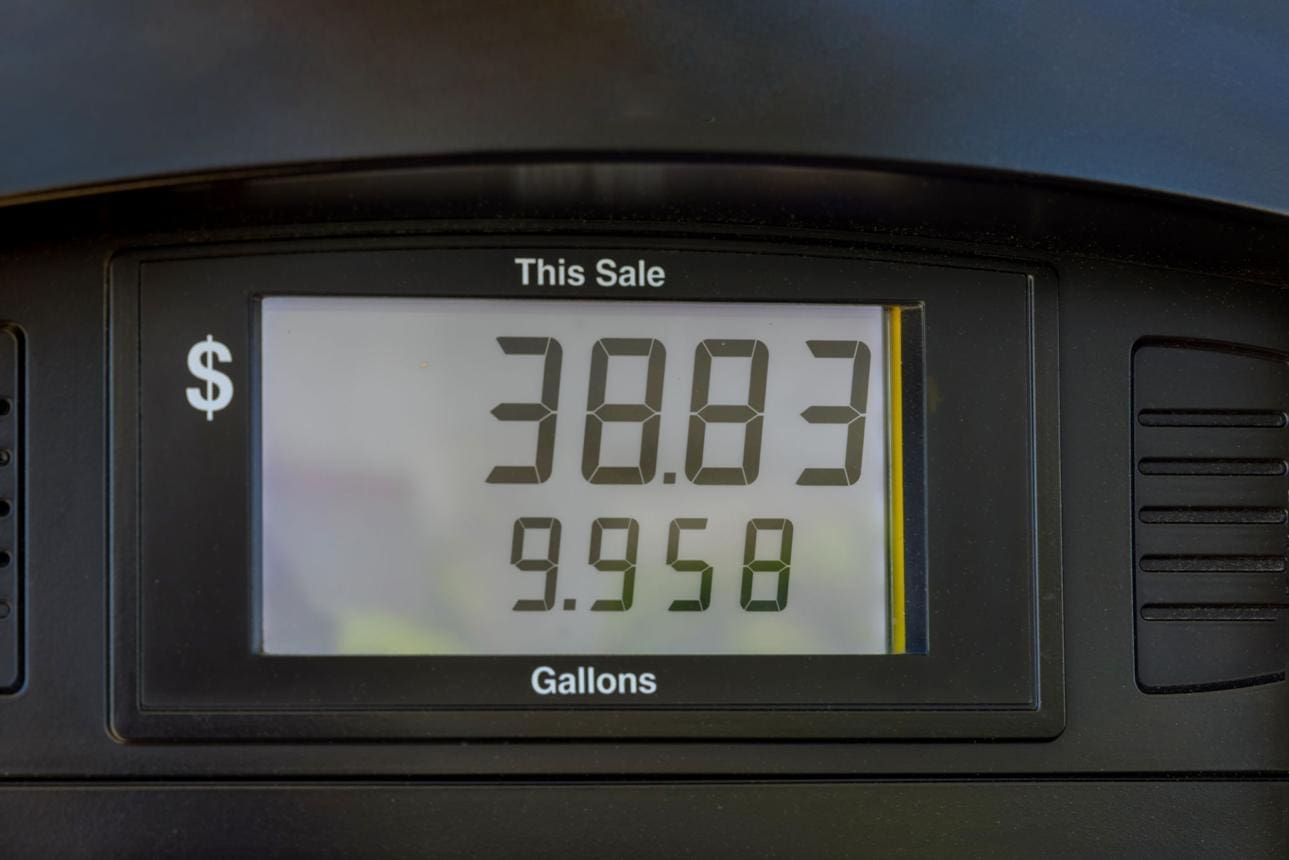
Every time gas prices jump, I start getting the same question from buyers and sellers in Littleton: “Is this going to affect the housing market?” It is a fair question. When you are filling up the tank and watching the total climb, it is natural to wonder whether that extra cost ripples into bigger financial decisions like buying or selling a home.
After 27 years of selling real estate in this market, here is what I can tell you: gas prices do affect how people think about housing, but probably not in the way you would expect. They rarely move home prices directly. What they do is shift behavior — where people want to live, how far they are willing to commute, and how they calculate what they can actually afford each month.

How Gas Prices Actually Affect Home Buying Decisions
Gas prices do not show up on a mortgage application. Your lender is not going to ask what you spend at the pump each week. But here is where it gets real: rising fuel costs eat into your monthly budget, and that changes how people feel about what they can take on.
When gas prices climb, I see buyers start thinking more carefully about the full picture of their monthly expenses — not just the mortgage payment, but property taxes, insurance, utilities, and yes, transportation. That is actually a healthy shift. The buyers I work with in Littleton are smart about their money, and they are not going to ignore an extra $150 or $200 a month at the pump when they are calculating what they can comfortably afford.
This does not mean people stop buying homes. It means they get more intentional about where they buy and what trade-offs they are willing to make. That is a meaningful difference.
What I’m Seeing in the Littleton Market Right Now
In a market like Littleton and the broader Denver Metro area, commute patterns matter. A lot of residents here work in the Denver Tech Center, downtown Denver, or along the C-470 corridor. When gas prices are stable, the commute from neighborhoods like Ken Caryl or Grant Ranch feels like a reasonable trade-off for the space, the trails, and the schools. When gas prices spike, some buyers start weighing that commute distance a little more heavily.
What I have noticed over the years is that rising fuel costs tend to give a slight edge to homes with convenient highway access or shorter commute routes. A home in a neighborhood that shaves 15 minutes off a daily round trip suddenly looks a little more attractive when you are spending more to make that drive.
That said, I want to be clear: gas prices alone are not reshaping the Littleton market. People choose to live here because of the lifestyle — the open space, the community feel, the quality of schools. Those factors still dominate every buying decision I see. Gas prices are one thread in a much bigger fabric.
Commute Costs and Where Buyers Are Looking
Here is something interesting I have seen play out more than once: when fuel costs rise, buyers do not necessarily shrink their search area, but they do start comparing neighborhoods differently. Two homes at the same price point, similar square footage, similar condition — but one has a 20-minute commute and the other has a 40-minute commute? In a high-gas-price environment, that commute difference carries more weight in the decision.
For buyers exploring the Denver Metro area, this is worth thinking about. If you are comparing neighborhoods, factor in what your daily commute actually costs, not just in time but in dollars. It is one of those practical details that can add up to real money over the course of a year.
For sellers, this is a subtle advantage worth knowing about. If your home is well-positioned for commuters — close to C-470, near light rail, or in a neighborhood with easy access to major employment centers — that is a selling point worth highlighting, especially right now. If you are curious about what your home is worth in this market, that commute convenience could be working in your favor.
What This Means If You’re Buying or Selling
If you are a buyer, rising gas prices are a reminder to think about your total monthly cost of living, not just the mortgage payment. Factor in your commute. Think about how location affects your day-to-day expenses. The right home in the right spot can actually save you money over time, even if the purchase price is slightly higher.
If you are a seller, understand that buyers are paying attention to these details. A home with a reasonable commute and good access to the things people use daily — highways, shopping, schools, trails — has a real advantage. If your home checks those boxes, make sure your listing reflects it.
And for everyone: do not let gas prices alone drive a major real estate decision. Interest rates, local inventory, job growth, and your personal timeline all matter more. Gas prices are a factor, but they are not the factor. The buying and selling decisions that work out best are the ones grounded in the full picture — not a reaction to one headline.
If you’re buying or selling in the Littleton or Denver Metro area and want a straight conversation about what’s happening in the market, call me at 303-210-6156 or reach out through karinjacoby.com. No script. No pressure. Just 27 years of knowing this market.